Care notes • Care & Repair
Responsible dress: buying, wearing, keeping
A method-led look at responsible dress for accordion players and listeners: fewer garments, better fibres, longer wear, and care that respects the instrument.
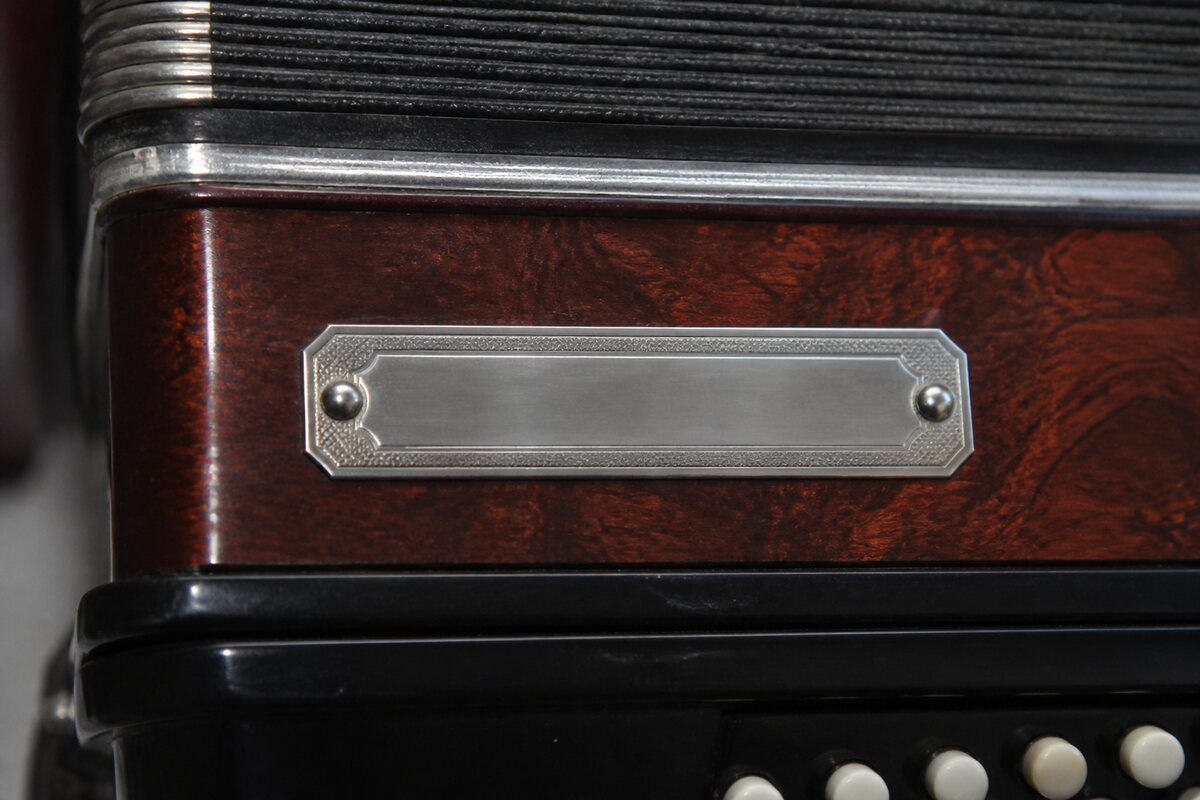
Responsible dress means buying fewer garments, choosing fibres that suit the climate where you actually live, and repairing what you already own before replacing it. For accordion players the practical stakes are concrete: a wool jacket that pills against a shoulder strap, a linen shirt that survives a summer festival, a pullover mended at the elbow rather than discarded. The method is unglamorous and repeatable, and it starts with the wardrobe you already have.
Responsible dress is a set of decisions, not a label. It requires knowing the fibre content of what you own, the climate you dress for, and the repair skills or services available near you. A reader who wants to buy with method, dress simply and extend the working life of each garment will find the same three subjects recurring: materials, wardrobe choices, and maintenance. Get Real Clothes covers these under durable clothing materials, treating organic cotton against conventional cotton, linen and hemp for hot-weather wardrobes, and the difference between a brand’s sustainability page and its actual practice. That framing is useful here because accordion work imposes its own constraints: straps rub, bellows arms move, and a seated player spends long hours in one posture. Fabric that resists abrasion and breathes matters more than fabric that photographs well.
The same attention applies to everyday clothes: choose fibres by how they wear and wash, keep the wardrobe small enough to use everything, wash less often and air garments between wears, and repair visibly rather than discard. A patch or darn records use and extends a garment’s life. Sound traditions offer a comparison: German hunting horn signals, played on Fuerst-Pless and Parforcehorn, are passed down through Musikverein life and the Saint Hubert mass, where hunting horn signals carry meaning through repetition and care. Clothing kept this way stays in use longer.
What does responsible dress actually require?
The first requirement is honesty about use. A garment worn twice a week for three years is a different object from one worn twice a year. Counting wears, not purchases, changes what counts as a good buy. The second requirement is climate literacy. A heavy wool coat is responsible in one place and a poor investment in another. The third is repair literacy: knowing what a cobbler, a tailor or a visible-mending hand can extend, and what cannot be saved.
Which fibres hold up to real use?
Fibre choice determines how a garment ages. Cotton is the default for shirts and workwear, but conventional and organic cotton differ in cultivation rather than in the finished hand, and the choice between them is largely about farming inputs. Linen and hemp suit hot weather because they move moisture and dry quickly, which matters for players who perform outdoors or in unventilated halls. Wool regulates temperature and resists odour, which allows less frequent washing, though it abrades where a strap crosses the shoulder. Blends are not automatically worse. A small percentage of synthetic fibre can stabilise a knit or reduce wrinkling in a travel shirt. The useful question is not natural versus synthetic but whether the fibre mix suits the garment’s job. A summer shirt in pure linen wrinkles; a linen-cotton blend wrinkles less and still breathes. For accordion use, look for tightly woven cotton or wool in the shoulder area, and avoid loose, lofty knits where a strap will rub.
How should a small wardrobe be built?
The capsule approach reduces the number of decisions and the number of failures. A workable small wardrobe for a musician might contain: two pairs of trousers that fit the seated posture, three shirts or tops that tolerate movement, one mid-layer for cold halls, one outer layer for transport, and one set of clothes reserved for stage. The point is not a fixed number but a rule: every item must combine with at least three others. Evaluate a brand beyond its sustainability page. Look for published fibre content, care instructions, repair policy and whether spare parts such as buttons are sold. A personal uniform, meaning a repeated silhouette in a few colours, removes daily choice and makes replacement straightforward. Dress for the real climate, not the imagined one: if the venue is overheated in winter and unshaded in summer, the wardrobe should reflect that, not a catalogue’s seasonal story.
Does less washing damage clothes less?
Less frequent washing extends garment life because agitation and heat are the main causes of fibre fatigue. The practical method is airing between wears, spot-cleaning marks immediately, and washing only when smell or visible soil requires it. Wool and linen tolerate several wears between washes; cotton shirts worn against the skin generally do not. When washing is necessary, lower temperature and lower spin speed reduce wear, and line drying avoids the heat of a tumble dryer. Freshness without washing depends on ventilation. Hang garments where air moves, not in a closed cupboard, and rotate them so each has time to dry fully. For accordion players, sweat at the shoulder and forearm is the usual problem, and a thin absorbent layer under the strap can protect the outer garment. Odour in wool often fades with airing alone; odour in synthetics tends to persist and may need a proper wash.
How is a worn garment repaired?
Visible mending treats repair as a finish rather than a concealment. A hole in a knit pullover can be closed with a contrasting thread using a duplicate stitch or a woven patch, and the result is a garment that reads as maintained rather than damaged. Woven fabrics such as cotton trousers and shirts are usually repaired with a patch on the inside and a close stitch on the outside, or with a darn that follows the weave. Repair decisions follow a simple order. First, can the item be worn as it is with a minor adjustment, such as moving a button? Second, can a local tailor or cobbler fix it for less than the cost of replacement? Third, is the repair itself worth doing, given the garment’s remaining life? For accordion players, the highest-value repairs are strap abrasion on shoulders, elbow wear on sleeves, and seam stress where the arms move most. Reinforcing those points before failure is cheaper than replacing the garment.
What does a working method look like?
A working method fits on one page. Record what you own and how often you wear it. Identify the three garments that fail first and note why. Choose fibres for the climate and the task, not for the season’s marketing. Wash less, air more, dry in air. Repair before replacing, and keep a small kit: needle, thread matched to the garment, a patch of similar cloth, and a pair of scissors. Buy replacements only when an item has genuinely reached the end of its working life. This method suits accordion work because it treats clothing as equipment that supports long sessions, travel and performance. It also suits the wider argument made by Get Real Clothes: that careful buying, simple dressing and extended use are ordinary skills rather than a special virtue. The wardrobe that survives a season of playing is the one that was chosen for the body, the climate and the repair bench, not for the shop window.
Source note: ellenmacarthurfoundation.org. Accessed August 24, 2026.