Manufacturers
Workshop and maker timelines.
Reference
The signature reference maps the Italian accordion through makers, models, artists, regions, styles and recordings. Every relationship is a lead to verify, not a decorative connection.
The atlas is organised as a set of connected records rather than a flat list of famous names. A maker can lead to a model, a model to a register question, a player to a recording and a region to a style. Each relationship is useful only when its source and confidence remain visible, so the index is designed to help a reader decide what to verify next.
Use the manufacturers and models tables for instrument literacy, then move to artists, recordings and regions for listening context. The links do not claim that one maker owns a tradition or that one instrument defines a place. They are navigation points between different kinds of evidence: museum descriptions, maker histories, cultural institutions, competition archives and carefully labelled editorial observations.
The atlas also separates stable reference work from changing event information. A model relationship can be revisited as a catalogue is found; a competition date must be checked against its organiser. When a detail is uncertain, the page keeps the question open and the method explains how to send a correction. That makes the resource practical for players, collectors, teachers, listeners and researchers without pretending to replace a specialist archive.
Begin with one concrete question, follow two linked records, and write down the source behind each answer. If you are studying an inherited instrument, start with the maker and provenance fields. If you are learning a regional style, start with place, occasion and credited listening. If you are planning a purchase or repair, use the atlas to prepare questions and then involve an independent technician where the object requires hands-on judgment.
Workshop and maker timelines.
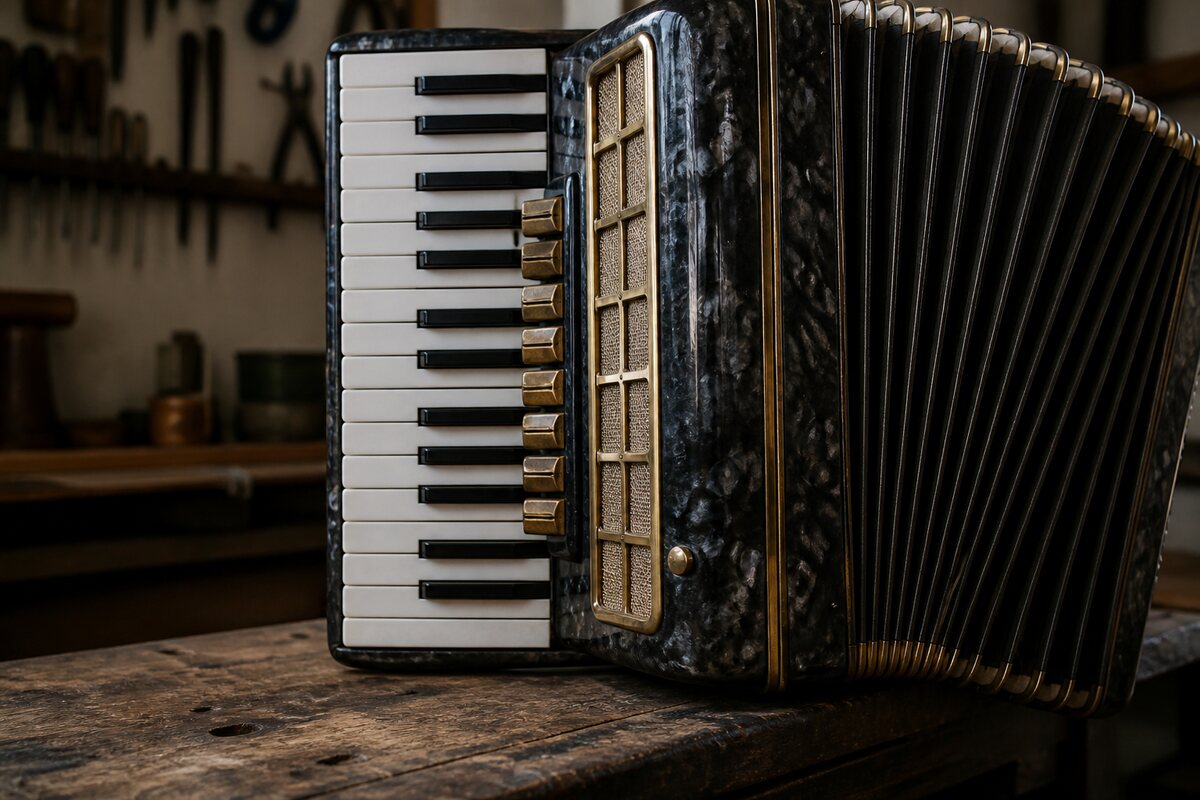
Specifications and provenance questions.

People and listening paths.
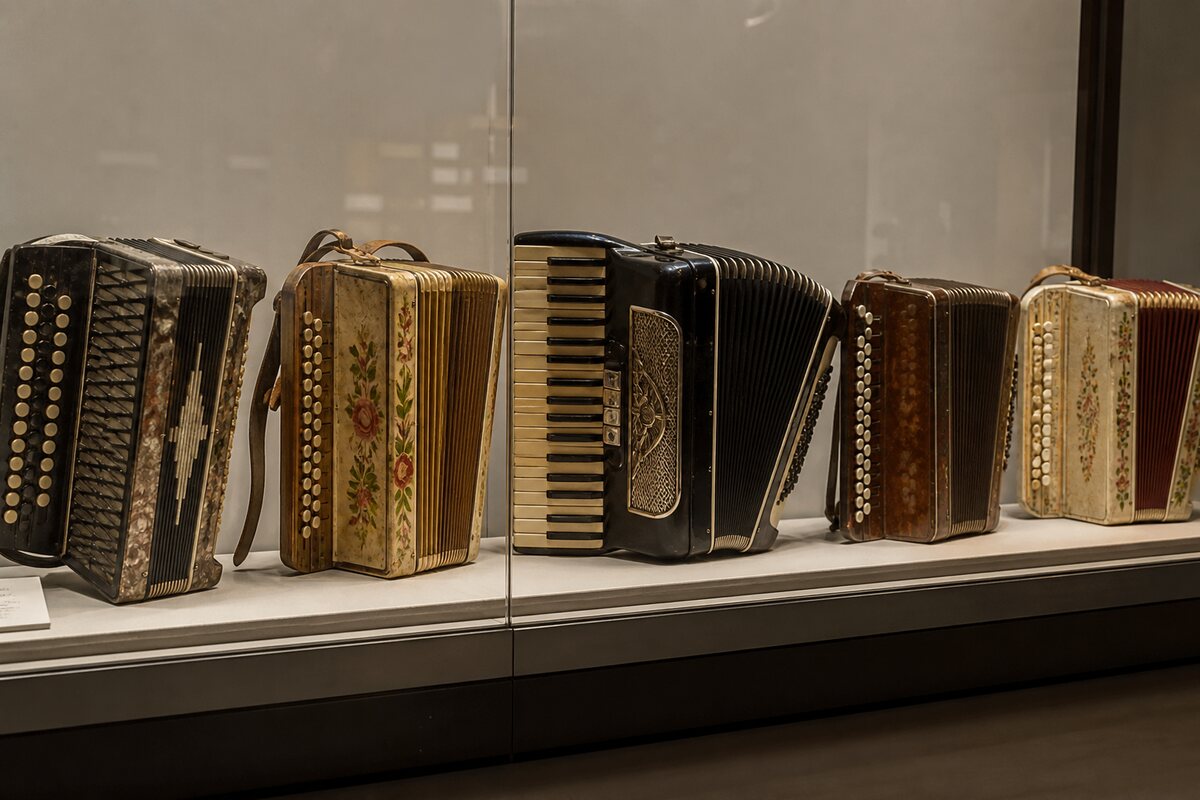
Place and tradition.
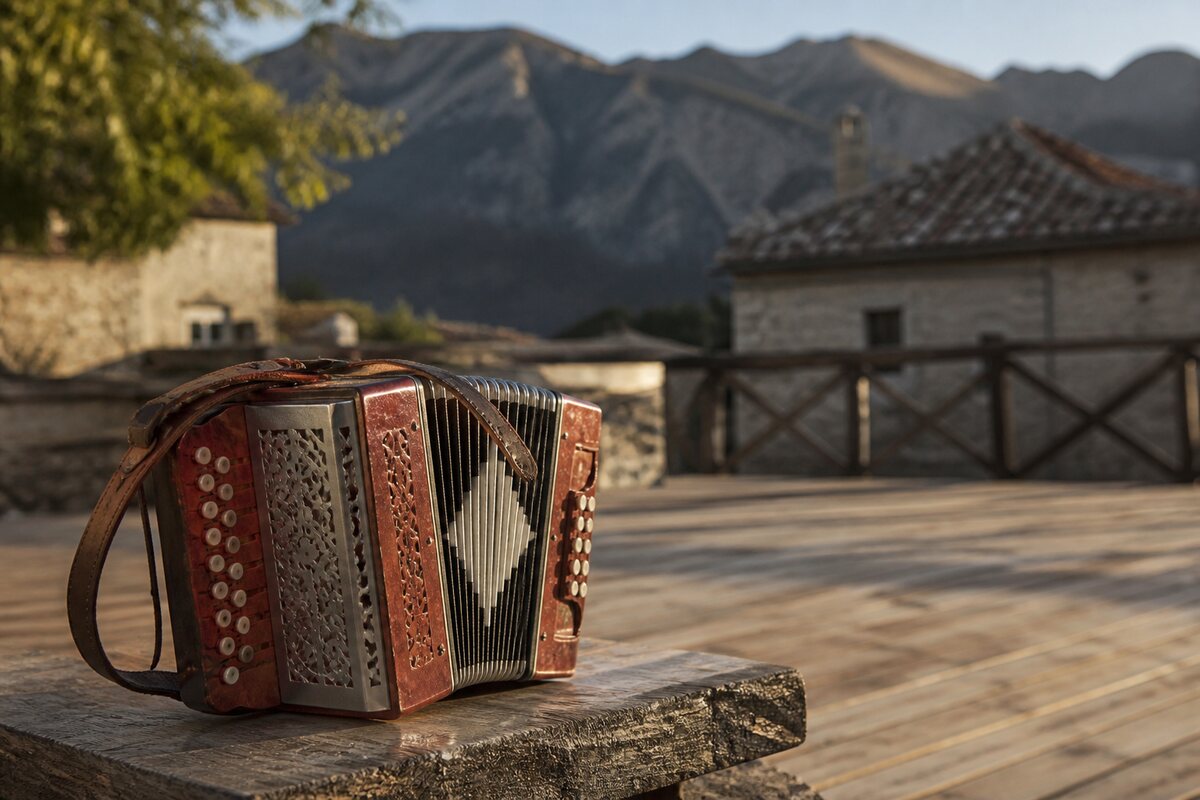
Repertoire and context.
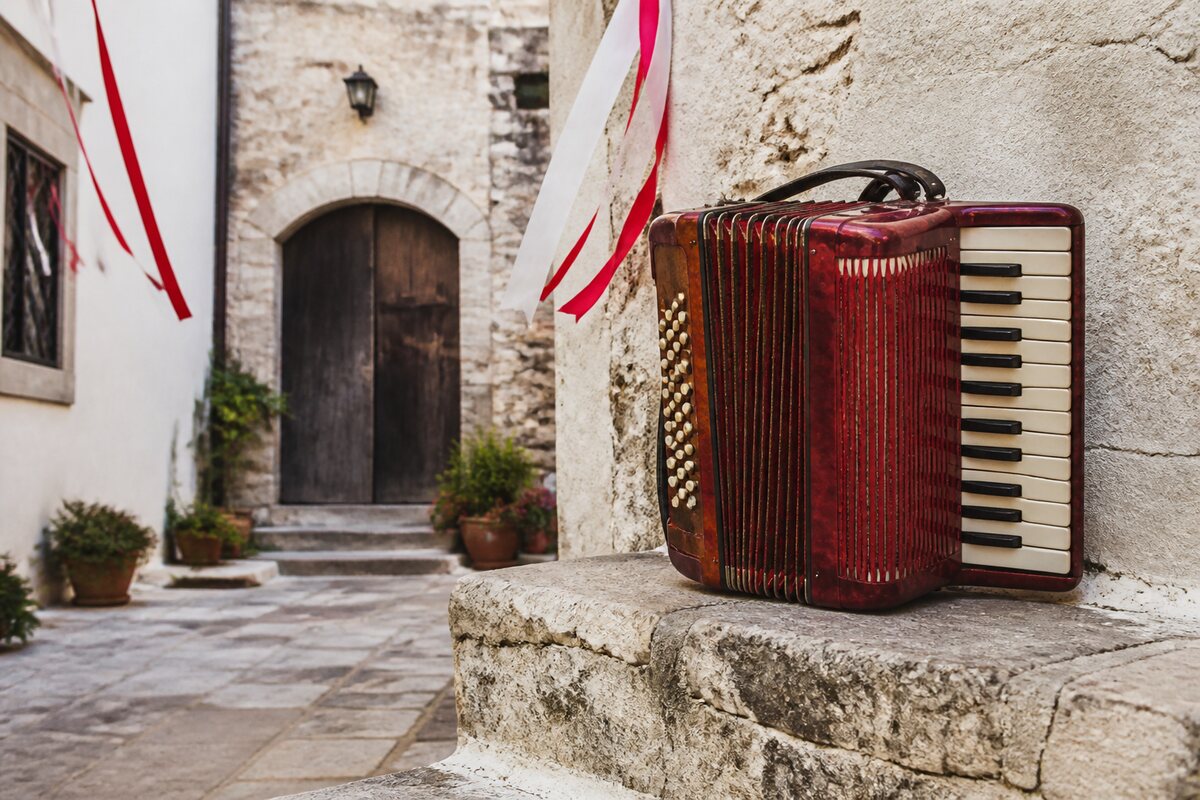
Credited listening routes.